

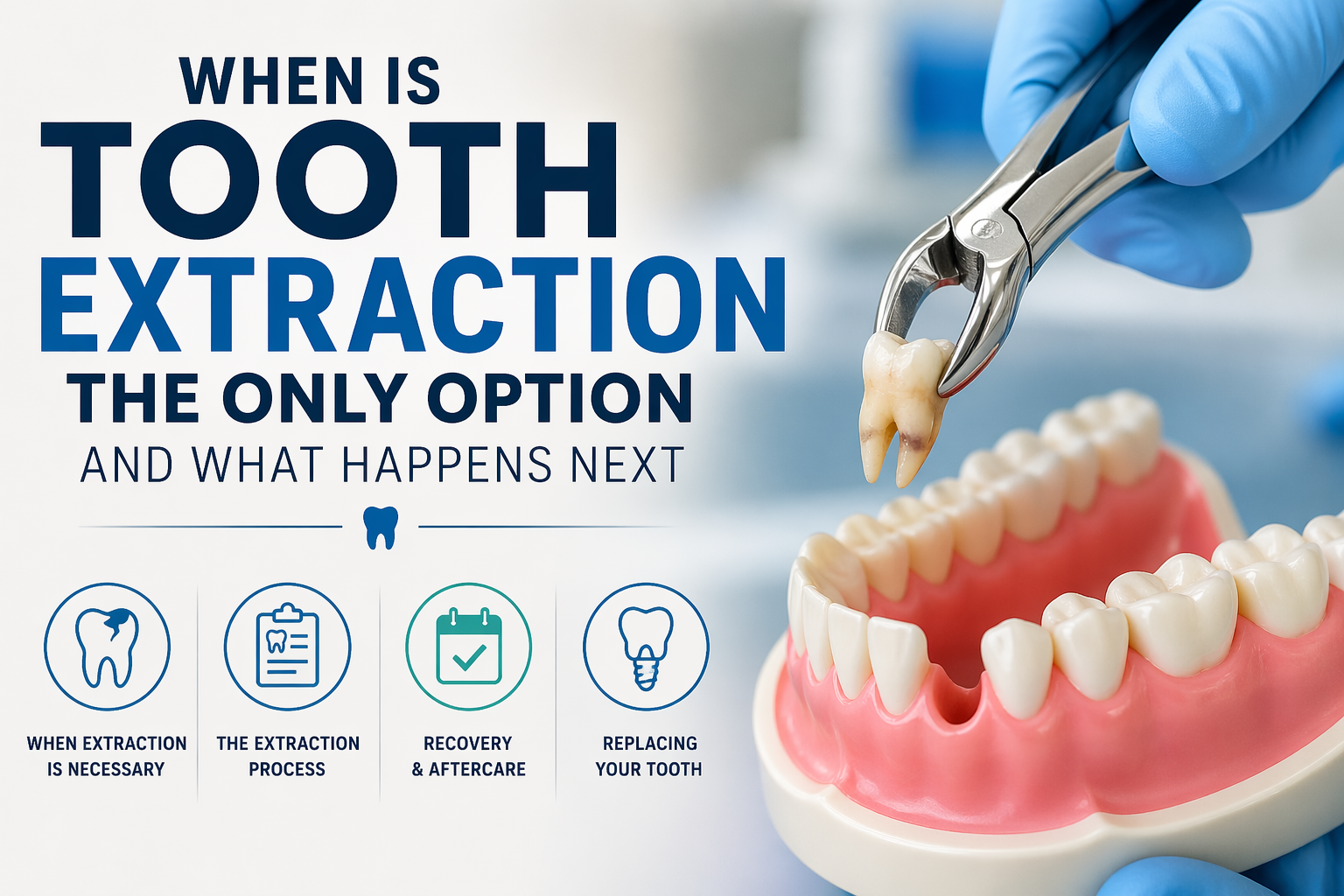
Dentists prioritize preserving natural teeth whenever possible, using restorative and preventive treatments to maintain structure and function. However, certain conditions can progress to a point where saving the tooth is no longer feasible. Severe decay, advanced infection, or structural damage may compromise the tooth beyond repair, making extraction the most appropriate option to protect surrounding teeth and overall oral health.
In many cases, extraction is considered only after other treatments have been evaluated or attempted. Procedures designed to restore or reinforce teeth can often extend their lifespan, but not all damage can be reversed. Understanding when a tooth cannot be saved helps patients make informed decisions and reduces the risk of complications that may arise from delaying necessary treatment. Conditions such as untreated decay or progressive wear, discussed in tooth erosion treatment, can gradually weaken tooth structure over time.
Symptoms such as persistent pain, swelling, or infection may indicate that the internal structures of the tooth have been affected. In some situations, these symptoms may initially be managed with conservative treatments, but if the damage progresses, extraction may become unavoidable. Patients experiencing ongoing discomfort often benefit from understanding the underlying causes of dental pain, including issues explained in nighttime toothache relief.
Tooth extraction is not only about removing a damaged tooth but also about preventing further complications. Leaving a severely compromised tooth untreated can allow infection to spread to surrounding tissues, potentially affecting adjacent teeth and bone structure. Early evaluation allows dentists to determine whether the tooth can be preserved or whether removal is necessary to maintain long-term oral health.
The following sections outline the conditions that lead to tooth extraction, the signs that indicate a tooth cannot be saved, and what patients can expect during and after the procedure.
When Tooth Extraction Becomes Necessary
Tooth extraction is typically considered only after other treatment options are no longer viable. Dentists evaluate the extent of damage, the condition of surrounding tissues, and the long-term prognosis of the tooth before recommending removal. In many cases, restorative procedures can preserve a tooth, but when structural integrity is severely compromised, extraction may be the safest way to prevent further complications.
The decision to remove a tooth is based on protecting overall oral health rather than addressing a single issue. A severely damaged or infected tooth can affect adjacent teeth, gum tissue, and underlying bone. Removing the tooth at the appropriate time helps prevent the spread of infection and allows for more predictable long-term treatment outcomes.
Severe Tooth Decay and Structural Breakdown
Advanced tooth decay can destroy large portions of the tooth structure, leaving insufficient support for restorations. When decay reaches deep into the tooth and compromises its stability, treatments such as fillings or crowns may no longer be effective. In these cases, extraction may be necessary to remove the source of infection and prevent further damage.
Decay-related structural failure often develops gradually, especially when early symptoms are not addressed. As the tooth weakens, it becomes more susceptible to fractures during normal chewing. Patients experiencing progressive damage may benefit from understanding how restorative procedures are used to manage earlier stages of tooth deterioration through restorative dental services.
Advanced Gum Disease and Tooth Mobility
Periodontal disease affects the supporting structures of the teeth, including the gums and underlying bone. As the condition progresses, bone loss can reduce the stability of the tooth, causing it to loosen over time. When support is significantly compromised, the tooth may no longer function properly and may require extraction.
Loose teeth caused by gum disease can also interfere with normal chewing and increase the risk of infection in surrounding tissues. In advanced cases, preserving the affected tooth may not be possible without compromising the health of adjacent teeth. Early management of gum disease helps prevent this outcome, but severe cases may require removal of the affected tooth to maintain overall stability.
Severe Infection or Abscess Formation
Infections that reach the inner pulp of the tooth can sometimes be treated with endodontic procedures. However, when the infection becomes extensive or repeatedly returns after treatment, extraction may be required to eliminate the source of bacteria. Dental abscesses, which involve localized collections of pus, can cause significant pain and swelling and may spread if not treated promptly.
An untreated infection can extend beyond the tooth into surrounding bone and soft tissue. Removing the affected tooth may be necessary to prevent further complications and protect overall health. Patients experiencing persistent infection symptoms often require timely intervention to avoid more extensive treatment later.
Impacted or Overcrowded Teeth
In some situations, tooth extraction is recommended not because of damage or disease, but due to positioning within the mouth. Impacted teeth, such as wisdom teeth that fail to fully erupt, can become trapped in the gum or bone. These teeth may cause pain, inflammation, or infection if left untreated.
Overcrowding is another reason extraction may be necessary, particularly when preparing for orthodontic treatment. Removing specific teeth can create space and allow proper alignment of the remaining teeth. Patients considering alignment treatments may encounter extraction recommendations as part of a comprehensive plan, similar to cases discussed in Invisalign treatment options.
Understanding the different scenarios that lead to tooth extraction helps clarify why dentists may recommend removal even when preserving natural teeth is generally preferred.
Signs a Tooth Cannot Be Saved
Identifying when a tooth can no longer be preserved requires careful evaluation of symptoms, structural integrity, and underlying infection. While some dental conditions can be treated successfully with restorative or endodontic procedures, others progress beyond the point where long-term stability is achievable. Recognizing these signs early helps prevent complications and allows for timely intervention.
In many cases, symptoms worsen gradually, making it difficult to determine when the condition has reached a critical stage. Persistent discomfort, visible damage, or functional limitations often indicate that the tooth has been significantly compromised. Dentists assess these factors alongside diagnostic imaging to determine whether extraction is the most appropriate course of action.
Persistent Pain and Recurrent Infection
Ongoing pain that does not resolve with treatment is one of the most common indicators that a tooth may not be salvageable. This type of discomfort often results from deep infection within the pulp or surrounding tissues. While some infections can be treated, repeated or persistent inflammation may suggest that the tooth cannot be restored effectively.
Recurrent infections can also lead to the formation of abscesses, which place additional stress on surrounding bone and soft tissue. If the infection continues to return despite prior treatment, extraction may be necessary to eliminate the source and prevent further spread. Patients experiencing these symptoms often notice patterns similar to those described in dental pain causes, where underlying issues continue to affect oral health.
Fractures Extending Below the Gum Line
Not all tooth fractures are visible above the surface. Cracks that extend below the gum line or into the root structure are often difficult to repair because they compromise the foundation of the tooth. These fractures may not respond well to restorative procedures, as the damage affects areas that cannot be fully stabilized.
Subgingival fractures can also create pathways for bacteria to enter deeper tissues, increasing the risk of infection. Because these cracks often worsen over time under normal chewing forces, extraction may be recommended to prevent complications affecting adjacent teeth and bone.
Significant Loss of Tooth Structure
Teeth that have lost a large portion of their structure due to decay, wear, or repeated dental procedures may no longer have sufficient support for restorations. Even if temporary repairs are possible, the long-term durability of the tooth may be compromised.
In such cases, restoring the tooth may not provide predictable results, especially if the remaining structure cannot withstand normal biting forces. Dentists evaluate whether sufficient healthy tooth material remains to support restorations. If not, extraction becomes a more reliable solution to maintain overall oral stability.
Compromised Function and Bite Alignment
A tooth that no longer functions properly within the bite can create additional complications. Misalignment, excessive mobility, or structural instability may interfere with normal chewing and place uneven pressure on surrounding teeth. Over time, this imbalance can contribute to further damage or discomfort.
When a compromised tooth affects overall bite function, removal may be recommended to restore balance and prevent strain on adjacent teeth. In some cases, extraction is part of a broader treatment approach that addresses alignment and functional concerns. Patients undergoing orthodontic planning may encounter similar considerations when evaluating space and alignment needs, as discussed in orthodontic alignment options.
Recognizing these signs helps patients understand when extraction is not only necessary but beneficial for maintaining long-term oral health.
What Happens During a Tooth Extraction Procedure
Tooth extraction procedures are planned based on the condition of the tooth, its position, and the complexity of the case. Dentists begin by evaluating the tooth and surrounding structures to determine the most appropriate approach. The goal is to remove the tooth safely while minimizing trauma to nearby tissues and ensuring a predictable recovery process.
Modern dental techniques focus on patient comfort and controlled removal of the tooth. Depending on the situation, the procedure may be straightforward or require additional steps to access and remove the tooth. Understanding how the process works helps reduce uncertainty and allows patients to prepare for treatment.
Simple vs Surgical Extraction
Simple extractions are performed on teeth that are fully visible above the gum line and can be removed without surgical intervention. In these cases, the dentist uses specialized instruments to gently loosen the tooth and remove it from the socket. This type of extraction is typically completed in a shorter time frame and involves minimal disruption to surrounding tissue.
Surgical extractions are required when the tooth is not easily accessible or when additional steps are needed to remove it safely. This may occur with impacted teeth, fractured roots, or teeth that have broken at or below the gum line. Surgical procedures involve creating a small opening in the gum tissue to access the tooth and, in some cases, dividing the tooth into sections for controlled removal.
The choice between simple and surgical extraction depends on clinical findings and diagnostic imaging. Dentists determine the safest method to minimize complications and preserve surrounding bone and tissue. Surgical planning is particularly important in cases involving impacted or complex tooth positioning.
Anesthesia and Patient Comfort
Pain management is a key component of tooth extraction procedures. Dentists use local anesthesia to numb the area around the tooth, ensuring that patients do not feel pain during the procedure. The anesthetic is carefully administered to block nerve signals in the treatment area while allowing the patient to remain awake and responsive.
For patients with anxiety or those undergoing more complex procedures, additional sedation options may be considered. These approaches help patients remain relaxed and comfortable throughout the treatment. The level of sedation depends on the complexity of the extraction and individual patient needs.
In some cases, advanced sedation techniques may be recommended to improve comfort during longer or more involved procedures. Patients who require additional support during treatment can learn more about available options such as general anesthesia, which may be used in specific clinical situations.
Tooth Removal and Site Management
Once the area is fully numb, the dentist proceeds with loosening and removing the tooth. Controlled movements are used to minimize stress on surrounding bone and soft tissue. After the tooth is removed, the socket is carefully inspected to ensure that no fragments remain and that the area is clean.
Managing the extraction site is an important step in the procedure. The dentist may place gauze over the area to control bleeding and encourage clot formation. In some cases, sutures are used to stabilize the tissue and support healing, particularly after surgical extractions.
Proper site management reduces the risk of complications and supports the natural healing process. The formation of a stable blood clot within the socket is essential for recovery, as it protects underlying bone and tissue during the initial stages of healing.
Immediate Post-Procedure Considerations
After the extraction is completed, patients receive instructions to support recovery and prevent complications. These guidelines typically include recommendations for managing bleeding, avoiding certain foods, and limiting physical activity during the initial healing period.
Patients may experience mild swelling or discomfort following the procedure, which can be managed with appropriate care. Following post-procedure instructions closely helps reduce the risk of issues such as dry socket or delayed healing.
Understanding what happens during the extraction process allows patients to approach treatment with greater confidence. Clear expectations regarding the procedure and immediate aftercare contribute to a smoother recovery and better overall outcomes.
What to Expect After Tooth Extraction
The recovery period after a tooth extraction varies depending on the complexity of the procedure and the patient’s overall oral health. In most cases, the initial healing phase begins within the first 24 hours as a blood clot forms in the socket. This clot plays a critical role in protecting the underlying bone and nerves, allowing tissue regeneration to begin.
Following post-extraction instructions is essential to support proper healing and reduce the risk of complications. Activities that disturb the clot, such as vigorous rinsing or chewing on the affected side, can delay recovery. Patients who follow recommended care guidelines typically experience a smoother healing process and fewer post-procedure issues.
Healing Timeline and Recovery Process
The healing process after extraction occurs in stages. During the first few days, mild swelling and discomfort are common as the body responds to the procedure. Over the following week, soft tissue begins to close over the extraction site, and sensitivity gradually decreases.
Complete healing of the bone structure may take several weeks or longer, depending on the location of the tooth and the extent of the extraction. During this time, patients are advised to avoid placing excessive pressure on the area. Maintaining proper oral hygiene while protecting the site helps prevent infection and supports tissue regeneration.
Recovery experiences can vary, especially in cases involving surgical extractions or impacted teeth. Patients who want a more detailed understanding of post-surgical healing can review expectations outlined in wisdom teeth recovery, which explains typical healing patterns after more complex procedures.
Managing Pain and Preventing Complications
Some level of discomfort is expected after an extraction, but it is usually manageable with proper care. Dentists may recommend over-the-counter or prescribed medications to control pain and reduce inflammation. Applying a cold compress to the outside of the face can also help minimize swelling during the first 24 to 48 hours.
One of the most important aspects of recovery is protecting the blood clot within the extraction site. If the clot becomes dislodged, a condition known as dry socket can occur, leading to increased pain and delayed healing. Avoiding smoking, drinking through straws, and vigorous rinsing helps reduce this risk.
Patients should also monitor for signs of complications such as excessive bleeding, persistent swelling, or worsening pain. These symptoms may indicate infection or delayed healing and should be evaluated by a dental professional promptly.
Eating and Oral Care After Extraction
Diet plays an important role in the healing process. Soft foods that require minimal chewing are typically recommended during the first few days after extraction. Foods such as yogurt, soups, and mashed vegetables are easier to consume without disturbing the healing site.
Gradually reintroducing normal foods depends on how quickly the area heals and how comfortable the patient feels while chewing. Hard, crunchy, or sticky foods should be avoided until the extraction site has stabilized, as these can disrupt the healing process.
Oral hygiene should be maintained carefully to prevent infection. While brushing should continue as usual, the area around the extraction site should be cleaned gently to avoid irritation. Rinsing with a mild saltwater solution may be recommended after the initial healing phase to keep the area clean.
Replacing a Missing Tooth
After a tooth is removed, replacing it is often recommended to maintain proper function and alignment. Missing teeth can affect chewing efficiency and may lead to shifting of adjacent teeth over time. Addressing the gap helps preserve bite balance and supports long-term oral health.
Several replacement options are available depending on individual needs and treatment goals. Dental implants are commonly used to replace missing teeth because they provide a stable and long-lasting solution that integrates with the jawbone. Other options may include bridges or removable prosthetics, depending on the clinical situation.
Patients considering long-term solutions for missing teeth can explore options such as dental implant restorations, which are designed to restore both function and appearance after tooth loss.
Understanding what to expect after extraction helps patients prepare for recovery and make informed decisions about restoring their smile.
When to Contact Modern Bite Dentistry
Tooth extraction is often recommended only after careful evaluation, but recognizing when to seek professional care is equally important. Symptoms such as persistent pain, swelling, infection, or difficulty chewing indicate that a dental assessment is necessary. Early diagnosis allows dentists to determine whether the tooth can be preserved or if extraction is the most appropriate solution to prevent further complications.
Delaying evaluation can allow underlying conditions to worsen. Infections may spread to surrounding tissues, and structural damage can progress to adjacent teeth. Timely consultation helps reduce the risk of more complex procedures and supports better long-term outcomes. Patients who experience sudden or worsening symptoms benefit from prompt professional attention.
Scheduling an Evaluation
A comprehensive dental evaluation is the first step in determining the appropriate course of action. During the visit, the dentist examines the affected tooth, reviews symptoms, and may use imaging to assess the extent of damage. This process helps identify whether the tooth can be treated or if extraction is necessary.
Patients experiencing ongoing discomfort or signs of infection should not delay scheduling an appointment. Access to timely care allows for early intervention and more predictable treatment planning. Appointment requests and additional information can be accessed through the practice’s contact page, where patients can arrange an evaluation based on their needs.
Personalized Treatment Planning
Each case requiring extraction is different, and treatment planning reflects the specific condition of the tooth and surrounding structures. Dentists consider factors such as the extent of decay, bone support, and overall oral health before recommending removal. When extraction is necessary, the treatment plan also includes strategies for maintaining function and preventing future issues.
Preventive care plays an important role in long-term outcomes following extraction. Regular monitoring helps ensure that remaining teeth remain healthy and stable. Routine care also allows dentists to detect early signs of new issues before they progress. Patients who maintain consistent preventive visits, such as dental cleanings exams, are better positioned to avoid additional complications.
For individuals experiencing symptoms that may require extraction, scheduling a professional evaluation provides clarity and direction. A structured treatment plan helps restore oral health, address discomfort, and support long-term stability.
Key Takeaways on When Tooth Extraction Becomes Necessary
Tooth extraction is typically considered only when a tooth can no longer be preserved through restorative or preventive treatments. Severe decay, advanced gum disease, infection, or structural damage can compromise the tooth beyond repair, making removal the safest option to protect overall oral health. Recognizing the signs early allows for timely intervention and helps prevent complications that may affect surrounding teeth and tissues.
Understanding the extraction process and what follows helps patients feel more prepared for treatment. From initial evaluation to recovery and tooth replacement options, each step is designed to restore function and maintain long-term stability. Modern dental care focuses on minimizing discomfort while ensuring predictable outcomes through careful planning and appropriate treatment selection.
After extraction, proper aftercare and follow-up play an essential role in healing and maintaining oral health. Replacing a missing tooth when recommended helps preserve bite alignment and prevents shifting of adjacent teeth. Long-term success depends on both professional care and consistent oral hygiene practices.
Patients experiencing symptoms that may require extraction benefit from early evaluation and clear treatment planning. Addressing dental issues at the right time supports better outcomes, reduces the need for more complex procedures, and helps maintain overall oral function.